Поки у Дарницькому районі Києва рятувальники діставали з-під бетонних плит тіла дітей, світові столиці вкотре відреагували звичною дипломатичною мовчанкою. 24 загиблих, серед них три дитини. Зруйнований під’їзд. Сотні поранених і травмованих. 675 дронів і 56 ракет за одну ніч. Одна з наймасштабніших атак від початку великої війни. І що у відповідь? Кілька “стурбованостей”, кілька сухих заяв і майже повна відсутність реальних дій.
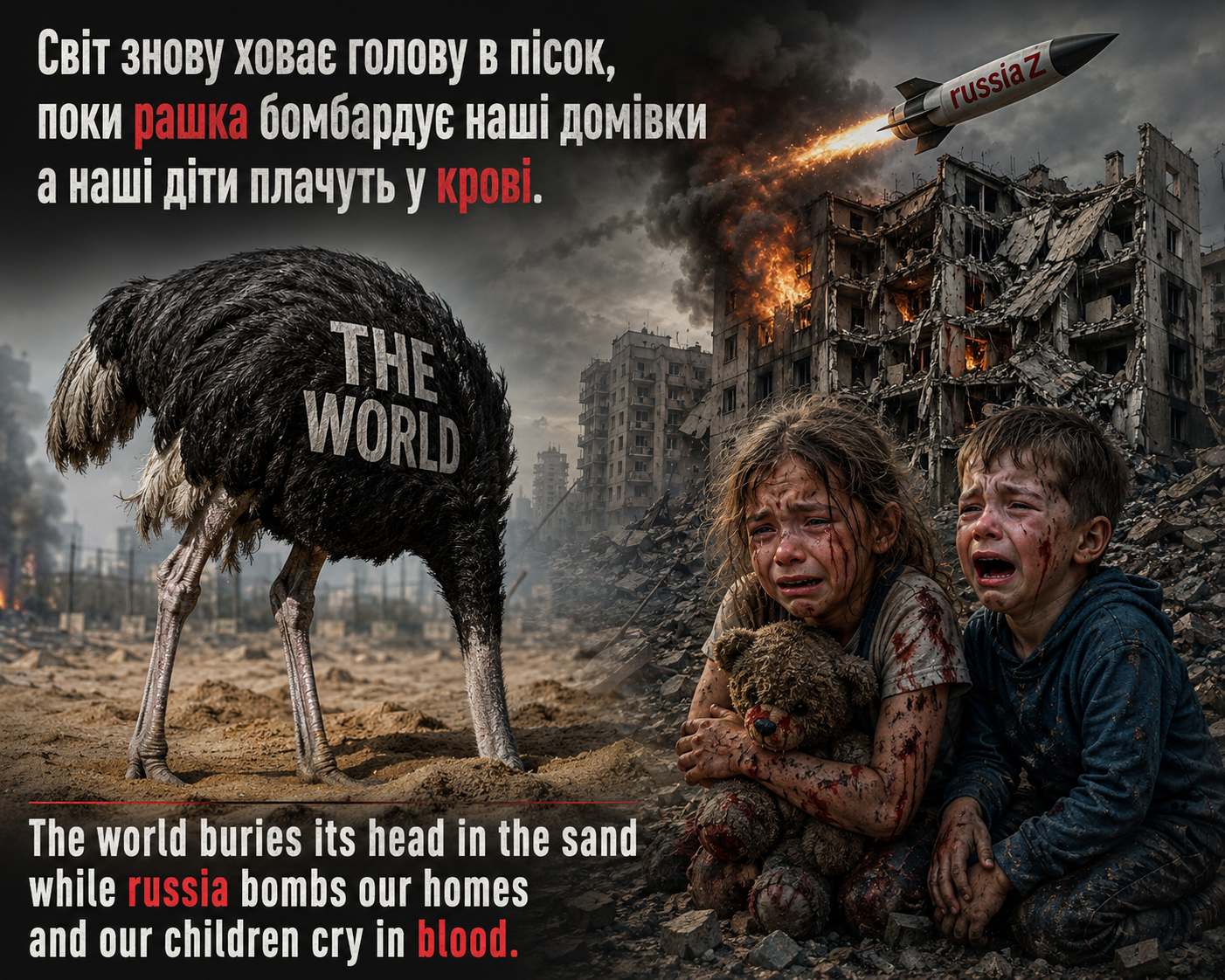
Складається враження, що світ почав звикати до української смерті.
Росія вже навіть не намагається приховувати свою тактику терору. У Москві цинічно назвали удар по житлових кварталах “актом відплати”. Відплати кому? 12-річній дівчинці? Родинам, які спали у своїх квартирах? Людям, яких рятувальники 28 годин витягували з-під завалів?
Світ побачив фото зруйнованого під’їзду у Києві. Побачив матерів у сльозах. Побачив дитячі іграшки серед уламків. Але глобальна політика сьогодні дедалі більше нагадує театр лицемірства, де людське життя оцінюють не моральними категоріями, а рейтингами, виборами, цінами на нафту і страхом “ескалації”.
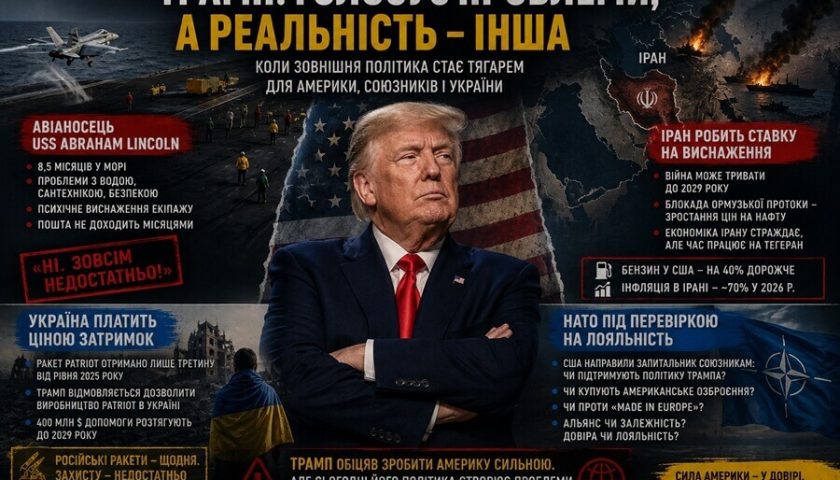
Особливо показовою виглядає реакція США, а точніше — мовчання політичного табору Дональда Трампа. Donald Trump продовжує говорити про “швидке завершення війни”, “переговори” і “домовленості”, але після чергової різанини у Києві не пролунало жодної жорсткої заяви про необхідність покарання Росії. Жодного ультиматуму. Жодного слова про нові системи ППО чи ракети для захисту українських міст.
Чому?
Бо для частини західних еліт Україна поступово перетворюється не на трагедію, а на “проблему, яку треба якось закрити”. Не перемогти зло. Не зупинити агресора. А саме “закрити питання”.
У Вашингтоні, Берліні, Парижі та інших столицях дедалі сильніше відчувається втома від війни. Але проблема в тому, що втомився Захід — а помирають українці.
Світові лідери роками повторювали: “Не можна дозволити перемогу агресії”. Але що ми бачимо зараз? Росія масовано атакує столицю європейської держави, б’є по житлових будинках, енергетиці, транспорту, цивільній інфраструктурі — і не отримує у відповідь нічого, що реально змінило б її поведінку.
Жодних нових нищівних санкцій.
Жодної міжнародної ізоляції рівня Північної Кореї.
Жодного рішення про закриття російського неба або тотальне ембарго.
Жодного міжнародного трибуналу в реальному часі.
Навпаки — світ продовжує торгувати, домовлятися, шукати “баланс”.
Найстрашніше у цій історії навіть не сама російська жорстокість. Від Росії вже давно ніхто не чекає людяності. Найстрашніше — це адаптація цивілізованого світу до масових убивств українців. Коли десятки загиблих дітей перестають бути глобальним шоком і стають просто ще одним новинним циклом між біржовими зведеннями та виборчими кампаніями.
Сьогодні Київ пережив те, що для будь-якої іншої країни стало б точкою неповернення у світовій політиці. Але Україна вже четвертий рік живе у режимі, де навіть найбільш криваві атаки не гарантують рішучої реакції союзників.
І поки світ мовчить, Кремль робить висновок: можна бити далі.
Можна руйнувати багатоповерхівки.
Можна вбивати дітей.
Можна запускати сотні ракет і дронів.
Бо максимум, що буде у відповідь — “глибока стурбованість”.
І саме ця тиша сьогодні звучить голосніше за вибухи.
World Silence After the Massacre in Kyiv: Why the West Keeps Looking Away
While rescuers in Kyiv’s Darnytskyi district were pulling the bodies of children from beneath concrete slabs, the world’s capitals once again responded with their usual diplomatic silence.
24 dead, including three children. A destroyed apartment block entrance. Hundreds wounded and traumatized. 675 drones and 56 missiles launched in a single night. One of the largest attacks since the beginning of the full-scale war.
And what was the response?
A few expressions of “concern,” several dry statements, and almost no real action.
It increasingly feels as though the world has grown accustomed to Ukrainian deaths.
Russia no longer even tries to hide its strategy of terror. Moscow cynically called the strike on residential neighborhoods an “act of retaliation.” Retaliation against whom? A 12-year-old girl? Families sleeping in their apartments? People rescuers spent 28 hours digging out from the rubble?
The world saw the images of the destroyed building in Kyiv. Saw mothers in tears. Saw children’s toys buried beneath the ruins. Yet global politics today increasingly resembles a theater of hypocrisy, where human life is measured not by morality, but by ratings, elections, oil prices, and fear of “escalation.”
Particularly revealing is the reaction — or rather the silence — from political circles around Donald Trump. Trump continues speaking about a “quick end to the war,” “negotiations,” and “deals,” but after yet another massacre in Kyiv, there were no harsh statements demanding Russia be punished. No ultimatum. No calls for additional air defense systems or weapons to protect Ukrainian cities.
Why?
Because for part of the Western political elite, Ukraine is gradually turning not into a tragedy, but into a “problem that somehow needs to be closed.”
Not a battle between good and evil.
Not a fight to stop an aggressor.
But simply an issue to be settled and moved on from.
In Washington, Berlin, Paris, and other capitals, fatigue from the war is becoming more visible. But the problem is this: the West may be tired — Ukrainians are the ones dying.
For years, world leaders repeated: “Aggression must not be allowed to win.” But what do we see now? Russia massively attacks the capital of a European country, strikes residential buildings, energy infrastructure, transport systems, and civilian targets — and receives nothing in response that truly changes its behavior.
No devastating new sanctions.
No international isolation on the level of North Korea.
No decision to completely close the skies to Russian terror.
No real-time international tribunal.
Instead, the world continues trading, negotiating, and searching for “balance.”
The most terrifying part of this story is not even Russia’s brutality. No one expects humanity from Russia anymore. The most terrifying thing is the civilized world’s adaptation to the mass killing of Ukrainians — when dozens of dead children no longer become a global shock, but just another news cycle between stock market updates and election campaigns.
Today, Kyiv experienced something that for any other country would have become a point of no return in global politics. Yet Ukraine has now spent four years living in a reality where even the bloodiest attacks no longer guarantee a decisive response from allies.
And while the world remains silent, the Kremlin draws conclusions:
It can keep striking.
It can destroy apartment buildings.
It can kill children.
It can launch hundreds of missiles and drones.
Because the worst consequence it faces is another round of “deep concern.”
And today, that silence sounds louder than the explosions themselves.